The Award-Winning Tour Specialist

Explore Eastern Canada with Wendy Wu Tours
Rich in culture, history and natural beauty, Eastern Canada is home to some of the country's most iconic destinations. Stretching from the shores of the Great Lakes to the banks of the mighty St. Lawrence River, this region encompasses the vibrant provinces of Ontario and Québec, where cosmopolitan cities, charming historic towns and spectacular landscapes come together to create an unforgettable travel experience.
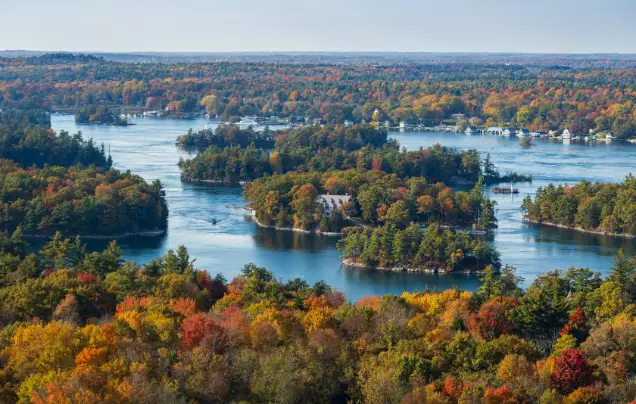
At its heart are the dynamic cities of Toronto, Montréal, Ottawa and Québec City, each offering its own distinct character. Explore Toronto’s soaring skyline, wander the cobbled streets of Old Québec, discover Montréal’s unique blend of French flair and North American energy, and uncover Canada’s political heritage in the nation’s capital, Ottawa. Along the way, visitors can cruise through the picturesque Thousand Islands, savour world-class food and wine, and experience the region’s rich blend of Indigenous, French and British influences.
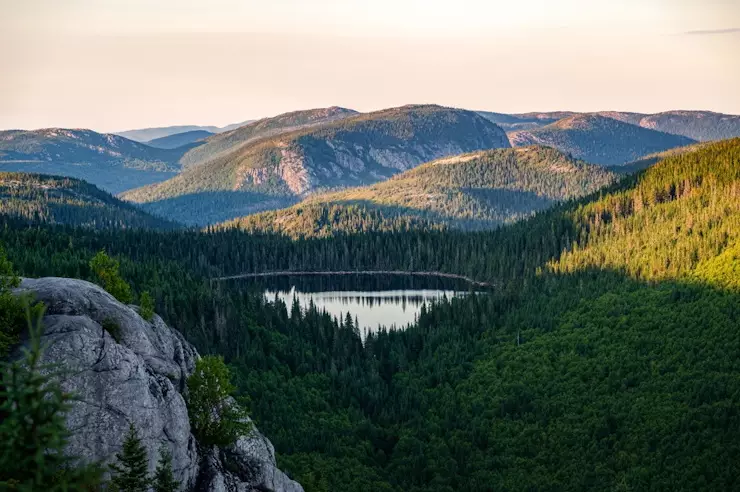
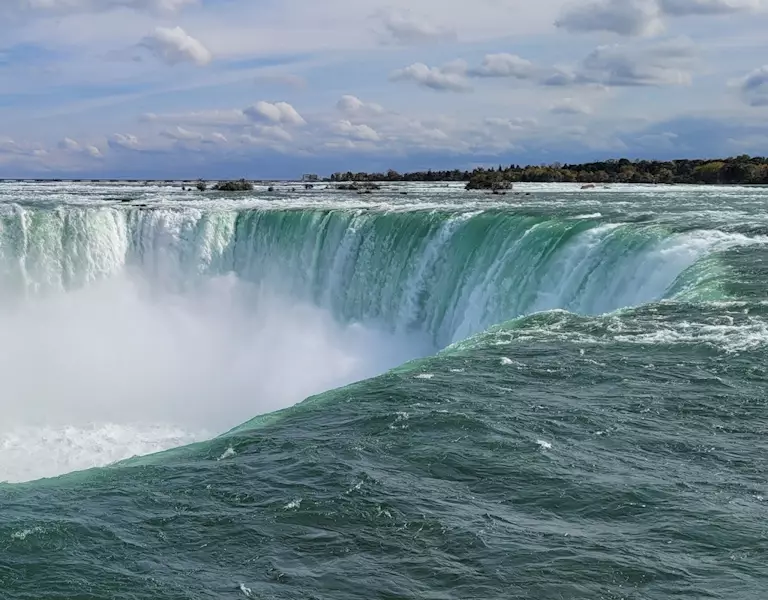
Eastern Canada is also home to some of the country's most spectacular natural wonders. Feel the power of Niagara Falls as millions of litres of water thunder over the escarpment each minute, marvel at the dramatic scenery of the Laurentian Mountains, and explore vast forests, sparkling lakes and scenic waterways that have shaped life here for centuries.
The region’s story stretches back thousands of years to the First Nations who first inhabited these lands, while the arrival of French and British settlers helped forge the foundations of modern Canada. Today, that heritage remains visible in beautifully preserved architecture, historic landmarks and enduring cultural traditions that make Eastern Canada one of the most fascinating regions to explore.
Whether you're captivated by history, inspired by nature, drawn to diverse cultures or tempted by exceptional cuisine, Eastern Canada offers a perfect introduction to the very best of Canada.

No trip to Eastern Canada would be complete without seeing one of the wonders listed below.
Ontario is huge, larger than France and Spain combined, and is still only Canada’s second largest province. It is its most populous, with 40% of the Canadian population calling it home; stretching from the St. Lawrence River and the Great Lakes, all the way to the frozen shores of Hudson Bay, it also encompasses a glorious variety of landscapes.
It is in Ontario that you’ll find many of Canada’s top attractions – Niagara Falls, Toronto, Ottawa, Algonquin Provincial Park - but there is so, so much more for those willing to dig a little deeper.
Canada’s largest province by land mass, Québec is country's only Francophone majority region and is a place with a passion for snow sports, wine and food from the local terroir.
The French arrived here in 1535 and established New France with Québec City as its capital, before defeat in the Seven Years’ War meant they chose to cede to the British as part of the 1763 Treaty of Paris. Québec, however, has clung to its cultural identity, creating something like a country within a country, one that combines North American and European.
The second largest waterfall on the planet, Niagara Falls is a truly awe-inspiring sight. It consists of three separate cascades – Horseshoe Falls, American Falls and Bridal Veil Falls, each around 50 metres in height. Horseshoe, the largest at a curved 670 metres across, spans the international border between the USA and Canada, over two million litres of water a second tumbling down into the Maid of the Mist Pool, generating mists that drift hundreds of metres into the air.
Don't miss the Journey Behind The Falls, a tunnel that takes you to a viewing platform behind Horseshoe Falls for a different and more sensory perspective. You can also board a cruise that takes you past the smaller cascades and right into the mists of Horseshoe, an unmissable experience.
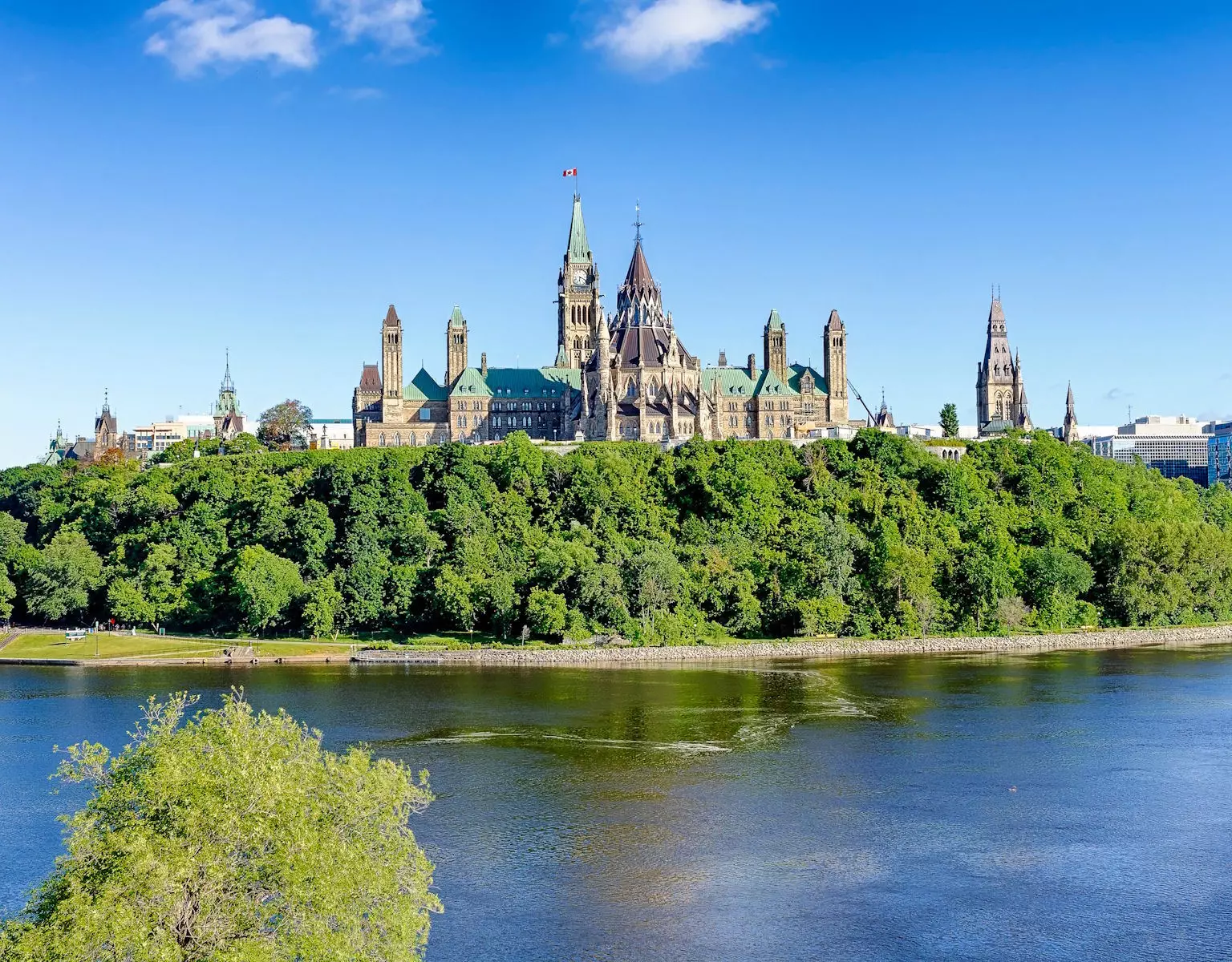
Canada’s dynamic, lively, cosmopolitan and bilingual capital, Ottawa is an important city with a small-town feel. It is considered by many to be one of the world’s most attractive capitals, known for its fine architecture, green parks and food – luckily, it is also easily explorable by foot. Set along the Ottawa River, it was Queen Victoria who chose Ottawa as capital of the Province of Canada in 1857 over the likes of Toronto and Montreal, thanks to some romantic landscape paintings of the area.
Ottawa is dominated by Parliament Hill, a limestone bluff above the river that is crowned with the three Victorian neo-Gothic buildings that house Canada’s parliament. In the area around Parliament Hill, on or near the south back of the river and either side of the Rideau Canal, you’ll find the rest of the city’s major sights – the National Gallery and its outstanding art collection, the Canadian War Museum and Canadian Museum of Nature and the buzzy restaurants, cafes and bars of Byward Market.
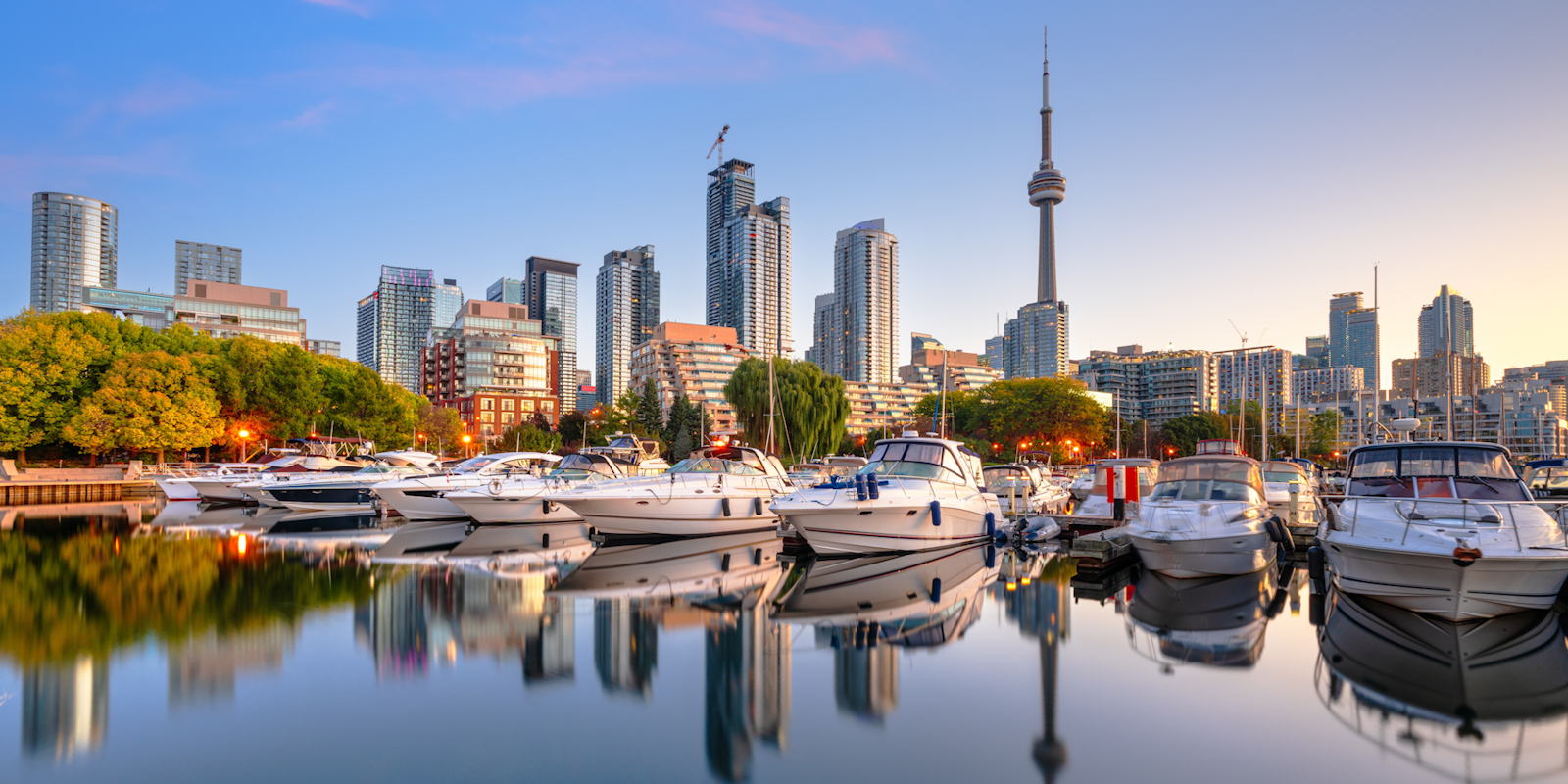
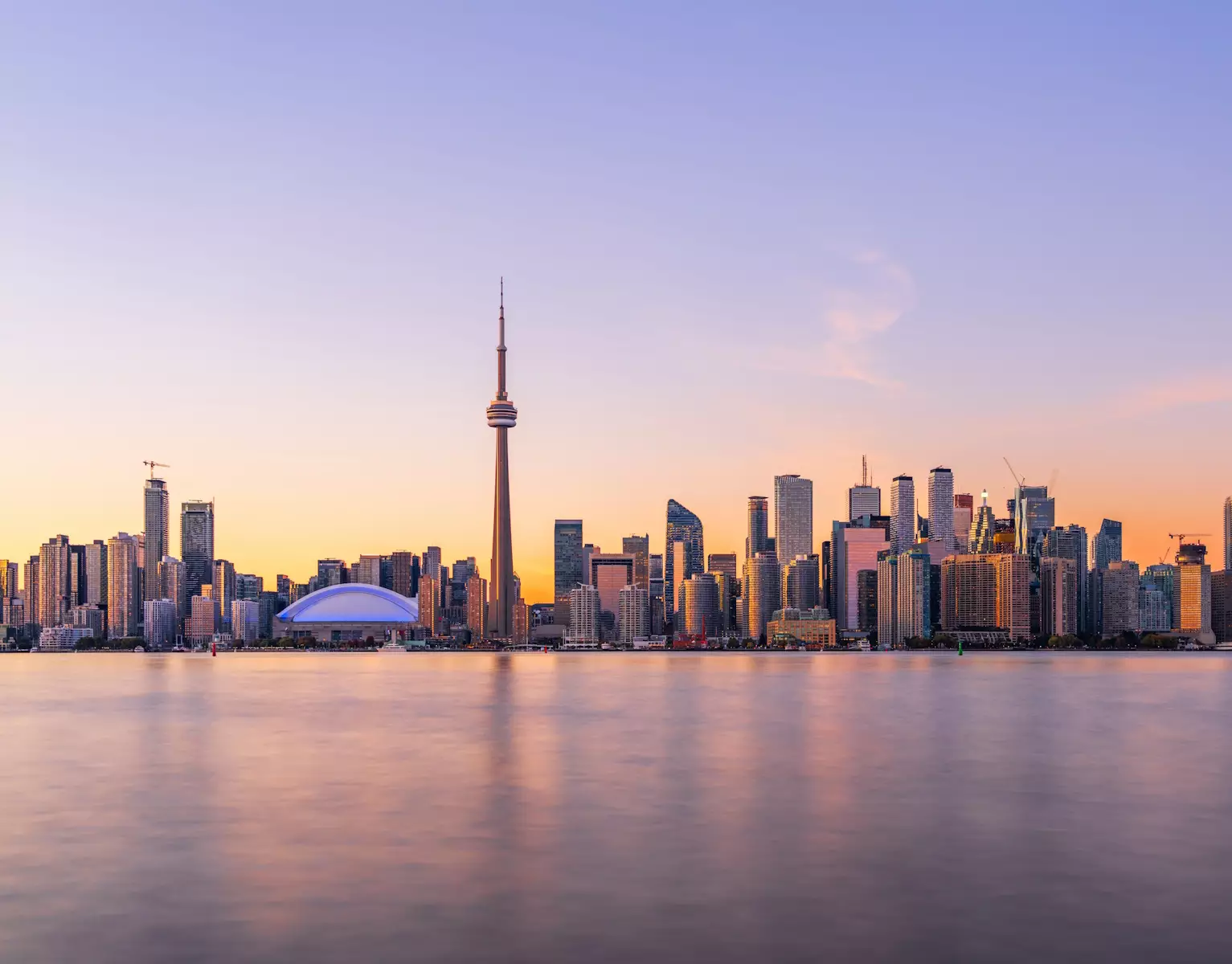
Toronto, Canada's largest metropolis nestled on the northern shore of Lake Ontario, could be the contemporary definition of ‘melting pot’. This is a city with roots that stretch across the globe, home to over 200 ethnicities with 140 languages spoken on its streets. Bustling, bright and full of energy, Toronto’s spirit is in its diversity, found in the canvas of neighbourhoods and districts that sprawl out from its downtown core.
Downtown Toronto is easily explored on foot, and it’s here that you’ll find landmark buildings like the magnificent Beaux-Arts Union Station, the emblematic CN Tower and you can soak up the colours and aromas of St. Lawrence Market and stroll the photogenic cobbled streets of the Distillery District.
The diversity of Toronto’s neighbourhoods makes them all the more fun to explore. Hop from Chinatown to Koreatown to Little Italy to Little Portugal, explore the exhibits of the Royal Ontario Museum and shop the boutique stores in Yorkville and stroll along dazzling Lake Ontario in Waterfront.
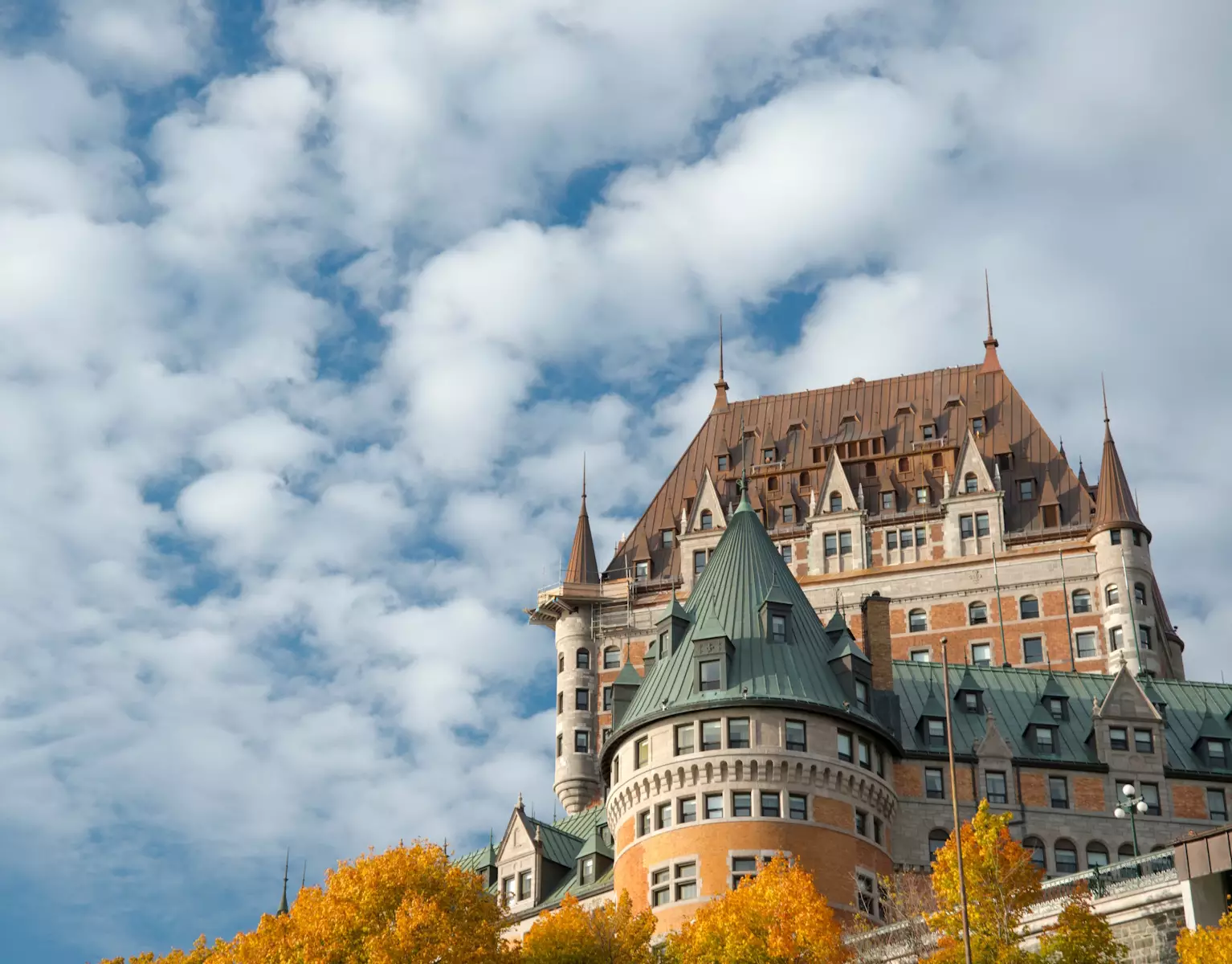
The capital of French Canada, Québec City is North America’s oldest French-speaking city. Here, you can meander through 400 years’ worth of colonial history on the streets of UNESCO World Heritage-designated Vieux Québec (Old Québec). Sat on a clifftop over the St. Lawrence River, the Upper Town of Vieux Québec is dominated by the magnificent Le Chateau Frontenac, now a hotel. There’s the Lower Town too, directly on the banks of the river, full of European-style architecture and atmospheric cobbled streets.
Abundant charms and thriving food scene are a feature of the city as a whole making neighbourhoods equally delightful to explore. Reward your explorations with the signature dish, poutine, chips with rich gravy and squeaky cheese curds, which you’ll find on pretty much every menu in town.
The surrounding area is full of Indigenous heritage – visit Wendake community, a self-governing enclave, where you’ll find the Huron-Wendat Museum.
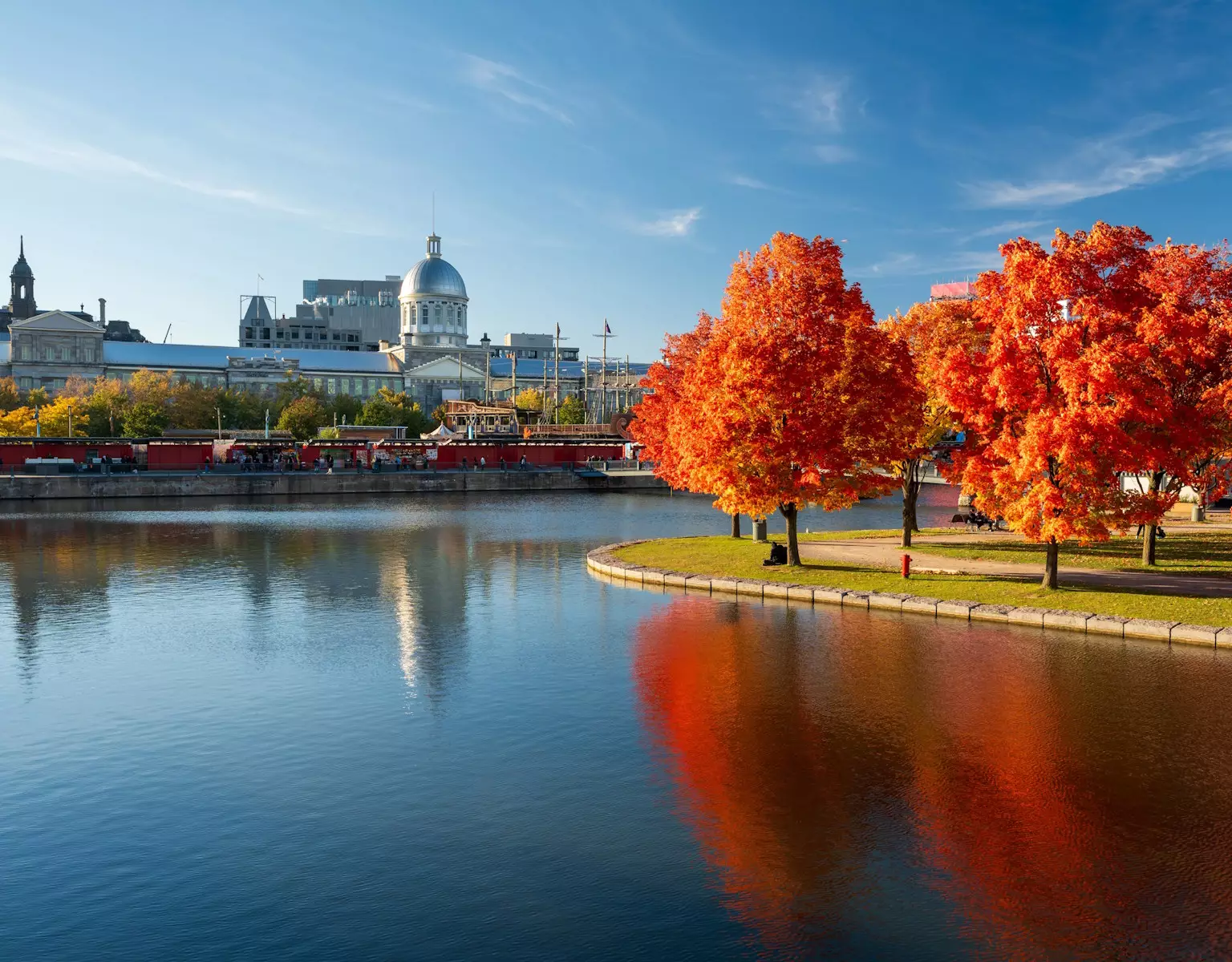
Montréal sits on an island in the St. Lawrence and Ottawa rivers, named for the volcanic hill, Mont Royal, at its centre. Considered Canada’s art city, Montréal is a place that loves festivals, the arts, good food and hanging out in parks and on terraces.
At the heart of the city is Old Montréal and the Old Port. It is here that you’ll find historic buildings, charming cobble streets, winding staircases and landmarks like Basilique Notre-Dame and Place Jacques-Cartier. Around this old core are many charming neighbourhoods where you can best experience local life and the Montrealers fun-loving spirit. The museums are also world-class – the Musée des Beaux-Arts, Musée McCord Stewart, and Pointe-à-Callière – should be on any itinerary.
One can’t talk about Montréal without mentioning the food. The city boasts one of North America’s most dynamic food cultures with a blend of French culinary heritage and bold Québécois flavours with a vast array of immigrant influences. Don’t miss Montreal-stye bagels, smoked meal sandwiches and the local take on piri piri chicken.
Read our latest articles or travel inspiration, exciting news about our destinations and all things Wendy Wu Tours